

-
 View More
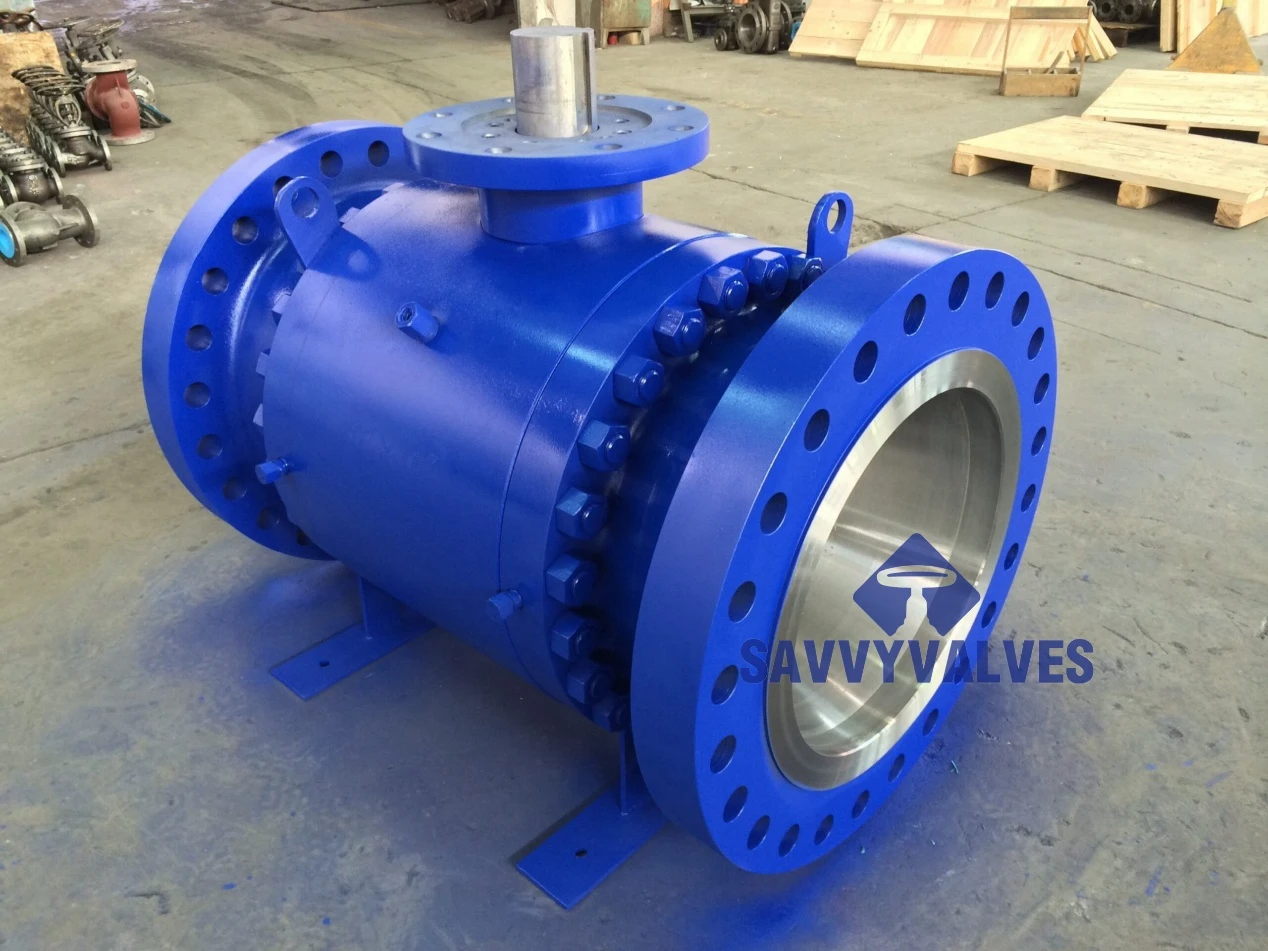
In high-pressure pipeline systems across industries like oil and gas, chemical processing, and cryogenic storage, floating ball valve , cryogenic floating ball valve , and cryo ball valve are indispensable components for reliable fluid control. SAVVY VALVES CO.,LTD. specializes in manufacturing high-performance floating ball valves, including 2-piece cryogenic models, which are engineered to meet
-
View More
Gate valves applications and uses span across critical industries—from oil and gas to municipal water treatment—where reliable on-off flow control, minimal pressure drop, and long service life are essential. As a global leader in valve engineering, Savvy Valves – Engineering Excellence in Valve Solutions for Global Industries specializes in designing and manufacturing high-performance gate valves
-
 View More
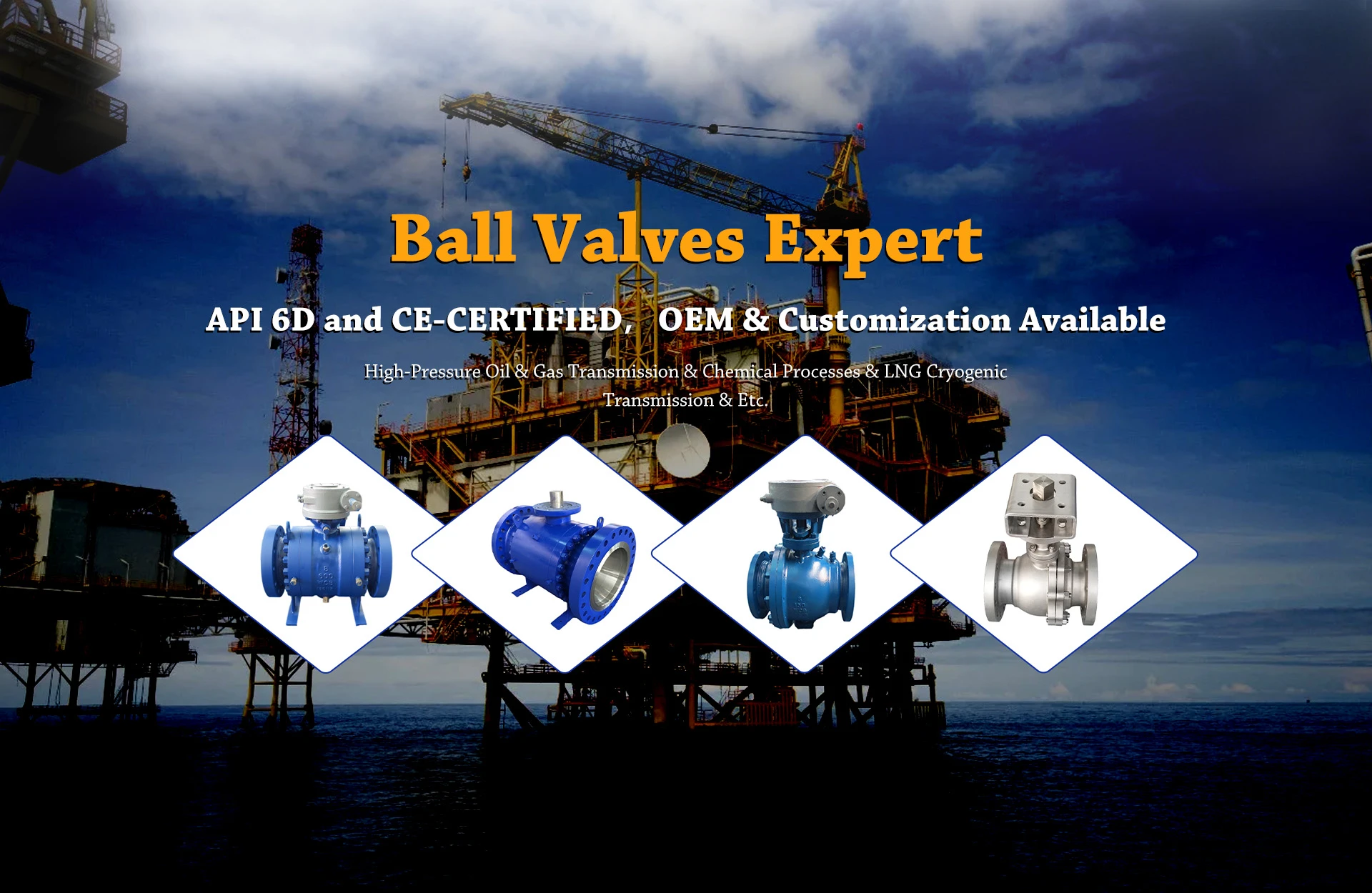
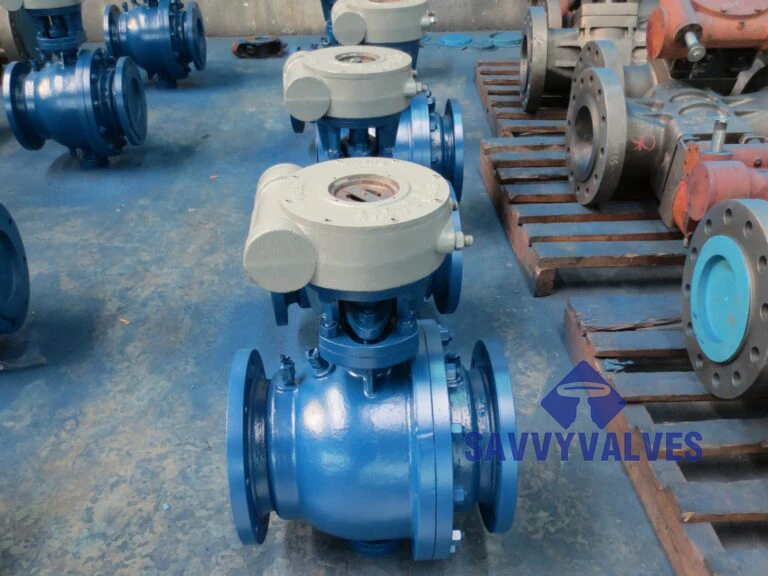
Advancing Industrial Flow Control with the 3 Piece Trunnion Ball Valve In the demanding world of industrial fluid handling, reliable and efficient valve technology is paramount. The 3 piece trunnion ball valve stands as a cornerstone for high-pressure and large-diameter applications, offering superior performance, extended service life, and robust safety features. Specifically, our focus today is
-
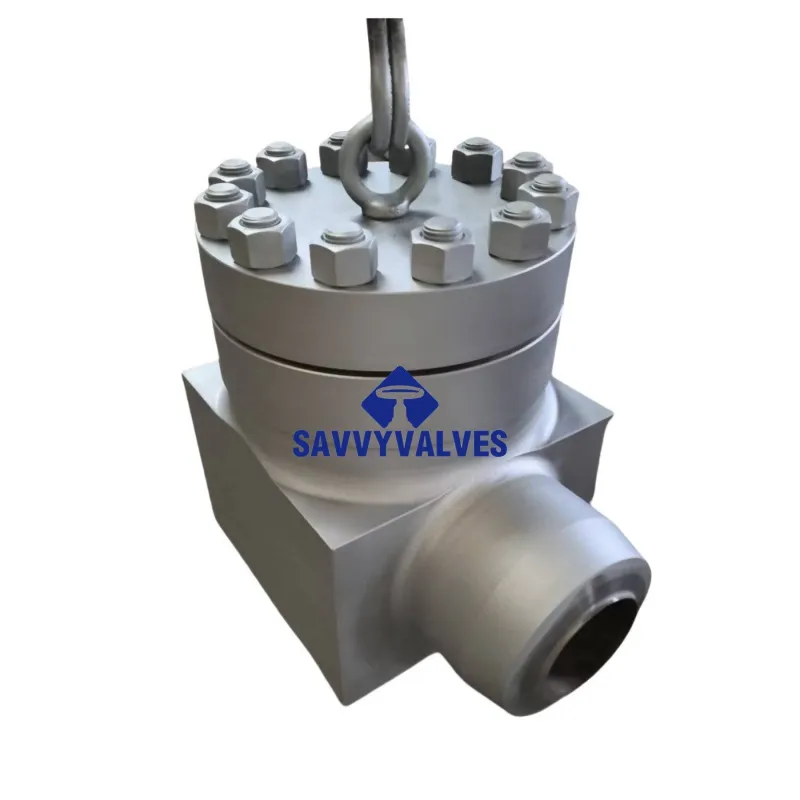
In industrial pipeline systems, proper installation of swing check non return valve , swing check type non return valve , and vertical swing check valve is crucial to ensure their functionality, prevent leaks, and avoid safety hazards. SAVVY VALVES CO.,LTD. provides high-quality vertical swing check valves with a wide range of material options, and understanding the safety precautions during insta
-
Double Flanged Dual Plate Check Valve Technology, Industry Trends & Application Guide Enterprise: SAVVY VALVES CO., LTD. Tel: 0086-18395660720 E-mail: Caozq@savvyvalves.com Mobile: 0086-18395660720 Office Address: Block A Yintai Building, NO.48, North Xianyang Road, Hongqiao District, Tianjin, China. Industry Overview: The Rise of the Double Flanged Dual Plate Check Valve The double flanged dual p
-
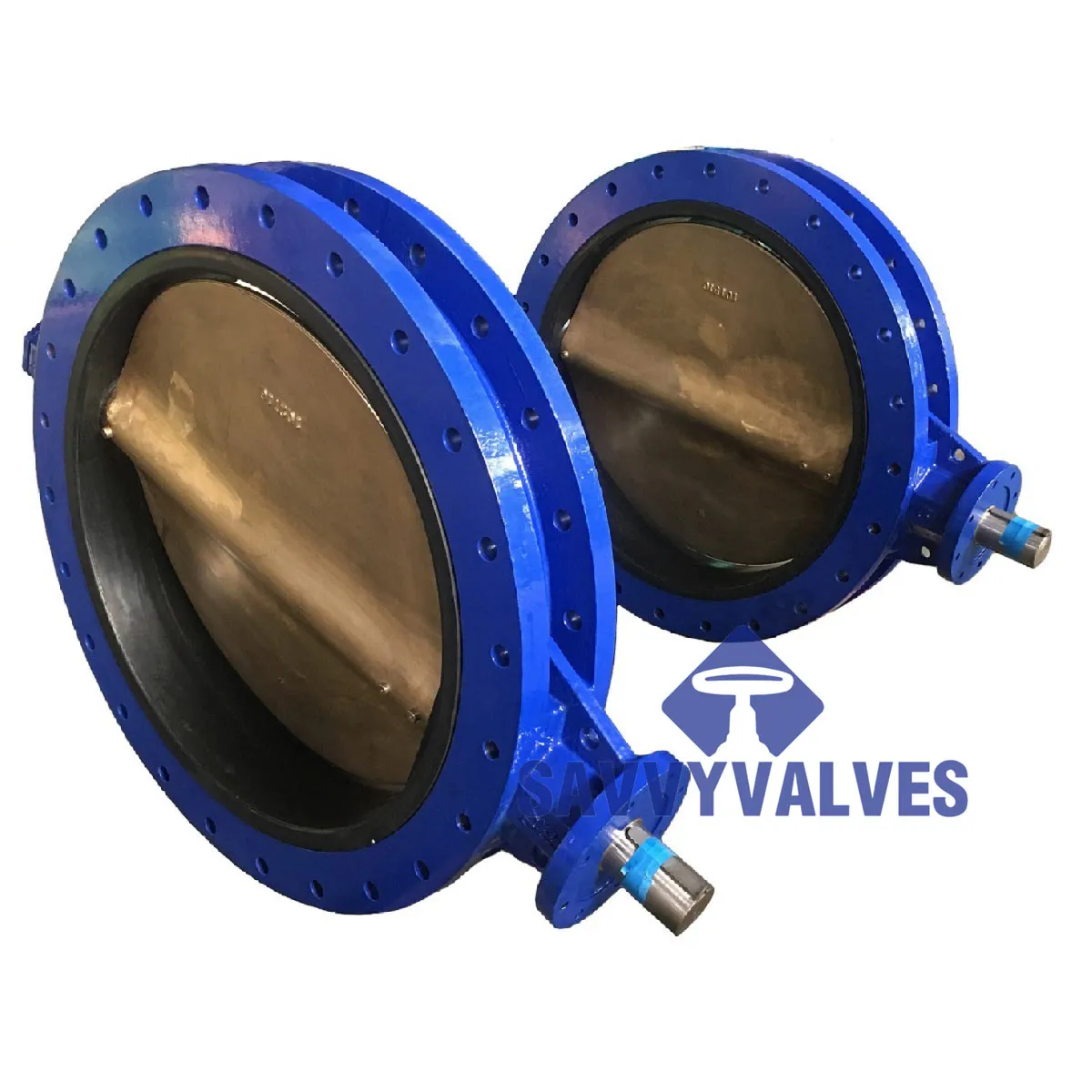
In the modern industrial world, butterfly valves for sale have become one of the most searched and practical solutions for fluid control. These valves are known for their simple structure, lightweight design, and reliable performance in a wide range of systems. Whether used in water supply, chemical processing, or HVAC systems, butterfly valves provide excellent shut-off and throttling capabilitie
-
 Adjustable Choke Valves for Precision Flow Control2026-04-02 12:47Navigating the Future of Industrial Flow: Insights from the 137th Canton Fair on Valve & Pipe Fittin
 -
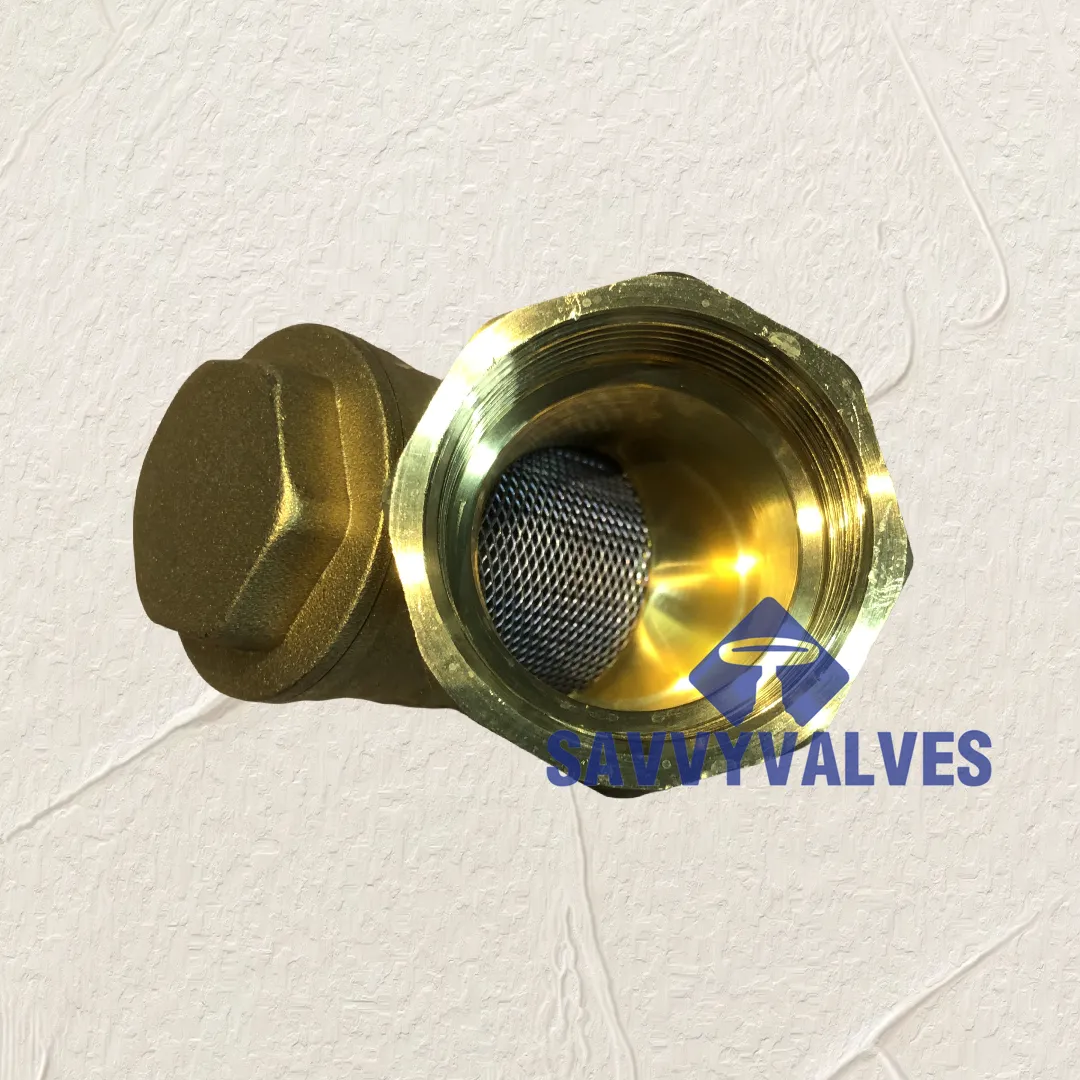
Plumbing Brass Filter Strainer - SAVVY VALVES2026-04-02 11:14Discover the Plumbing Brass Filter Strainer , a robust and reliable solution designed to ensure the
-
 The Ultimate Guide to Floating Ball Valves2026-04-02 11:13In the world of industrial fluid control, choosing the right valve type is crucial for ensuring opti


In industries where temperatures drop to extreme lows, cryogenic valves are not just important—they are essential. These valves are specifically engineered to control and contain fluids at cryogenic temperatures, typically below -150°C. Applications span across sectors such as liquefied natural gas (LNG), aerospace propulsion systems, medical oxygen storage, and scientific research involving liquid nitrogen, oxygen, or helium. What makes cryogenic valves different from standard valves is their specialized construction. Their designs often feature extended bonnets to insulate the stem and prevent freezing, soft seat inserts for leak-tight sealing, and fail-safe configurations to enhance reliability during rapid temperature fluctuations. These valves are also subjected to rigorous testing standards such as cryogenic temperature cycling and helium leak detection to ensure optimal performance. By maintaining tight shutoff and smooth operation even in the coldest environments, cryogenic valves help safeguard equipment, preserve fluid integrity, and uphold safety standards in mission-critical operations. Whether used in industrial gas production or rocket fuel systems, their role is vital to operational success. Selecting the Best Cryogenic Ball Valve Manufacturers for Your Project Choosing the right cryogenic ball valve manufacturers can mean the difference between reliable operation and costly failure. Unlike conventional ball valves, cryogenic ball valves require specialized engineering and manufacturing expertise to handle extremely low temperatures without performance degradation or material embrittlement. Leading cryogenic ball valve manufacturers employ advanced technologies such as precision CNC machining, low-temperature welding, helium leak testing, and cleanroom assembly. Their product ranges typically include full bore, reduced bore, floating, and trunnion-mounted ball valves—available in both manual and automated configurations. A key differentiator is a manufacturer’s ability to offer customization—whether in valve size, end connection, pressure rating, or actuation type. In addition, experienced cryogenic ball valve manufacturers will provide full documentation including 3.1 material certificates, cryogenic test reports, and ISO/API certifications to assure quality compliance and traceability. How Cryogenic Valve Materials Ensure Performance and Longevity The selection of cryogenic valve materials is critical to ensure structural integrity and function under low-temperature stress. As temperatures fall, many metals become brittle, leading to fractures and system failure. Therefore, materials used in cryogenic valves must possess high impact toughness, low thermal contraction rates, and excellent sealing compatibility. The most common cryogenic valve materials include: Stainless Steel (304, 316L): Offers a balance of corrosion resistance and low-temperature strength. Monel and Inconel Alloys: High nickel content ensures superior ductility and oxidation resistance. Aluminum Alloys: Lightweight and non-magnetic; often used in aerospace and liquid oxygen systems. PTFE and PCTFE (Kel-F): Used for soft seals due to their resilience and chemical inertness at cryogenic temperatures. In addition to the valve body and trim materials, stem seals and seat inserts are specially chosen for low friction and minimal thermal contraction. Advanced coatings and surface treatments may also be applied to improve performance in cold, abrasive environments. Ultimately, the right combination of cryogenic valve materials ensures tight shutoff, extended valve life, and enhanced safety across a range of applications. Applications and Integration of Advanced Cryogenic Valves in Industry Modern cryogenic valves are used across a spectrum of high-value applications, from fuel handling in aerospace to bulk storage of industrial gases. One of the most notable sectors is LNG, where massive cryogenic storage tanks and pipeline networks rely on fault-tolerant valves for safe, continuous flow control. In medical applications, cryogenic valves manage liquid oxygen and nitrogen in hospitals and laboratories, ensuring consistent flow with minimal thermal loss. Meanwhile, in the energy sector, they are pivotal in hydrogen fuel systems and air separation units (ASUs). Cryogenic valve integration today goes beyond just fluid control. Smart valve systems now include digital sensors for temperature, pressure, and flow feedback, enabling remote monitoring and predictive maintenance. These capabilities are particularly useful in unmanned or hazardous locations, where valve accessibility is limited. Moreover, cryogenic-compatible actuators—both pneumatic and electric—are increasingly used to automate valve control in high-efficiency, data-driven systems. The integration of cryogenic valves into these automated networks enhances responsiveness, reduces manual errors, and increases operational uptime. Innovation and Trends Among Leading Cryogenic Ball Valve Manufacturers As the demand for cleaner energy and high-performance systems rises, cryogenic ball valve manufacturers are pushing innovation to meet new challenges. Trends in valve technology now emphasize sustainability, miniaturization, and integration with Industry 4.0 platforms. One major trend is the use of additive manufacturing (3D printing) for valve components. This enables manufacturers to create complex internal geometries that improve flow dynamics and reduce thermal bridging. Some manufacturers are also exploring advanced coatings that reduce frost buildup and minimize torque in sub-zero environments. Digital twin technology is another innovation being adopted. It allows engineers to simulate valve performance under cryogenic conditions, enabling predictive maintenance and faster system troubleshooting. As manufacturers compete globally, investment in R&D and digital technologies sets apart the leaders from the rest. In addition, cryogenic ball valve manufacturers are focusing on regulatory compliance, including ISO 21011 for gas cylinder valves and API 6D for pipeline valves. These certifications assure end users that products meet rigorous safety and performance standards—crucial in industries where failure is not an option. Cryogenic valves FAQs What are cryogenic valves used for? Cryogenic valves are used to control the flow of liquefied gases at very low temperatures, such as LNG, liquid nitrogen, liquid oxygen, hydrogen, and helium. These valves are essential in industries such as energy, aerospace, chemical processing, and healthcare for safe fluid handling and system integrity. What are the best cryogenic valve materials ? The best cryogenic valve materials include 316L stainless steel, Monel, Inconel, aluminum alloys, and polymers like PTFE and PCTFE. These materials offer excellent low-temperature performance, corrosion resistance, and mechanical strength, which are essential for preventing brittleness and leakage. How do I choose among cryogenic ball valve manufacturers ? When selecting among cryogenic ball valve manufacturers , consider their experience, manufacturing standards (such as API and ISO compliance), ability to customize, testing procedures (helium leak, cryo cycle tests), and after-sales support. How do cryogenic valves differ from standard valves? Cryogenic valves differ from standard valves primarily in their materials, design, and sealing technology. They often include extended bonnets, special seat materials, and are built to resist embrittlement and thermal shock. These features ensure proper sealing and operational safety at temperatures as low as -196°C. What maintenance is required for cryogenic valves ? Maintenance for cryogenic valves includes regular inspection of seat integrity, leak testing, lubrication (using cryo-safe lubricants), and ensuring that seals and bonnets are free from ice buildup or contamination. Preventive maintenance extends valve life and ensures reliable operation under extreme cold.